- The Anxiety Specialist
- 07730 465855
- info@anxietyspecialist.org

Catastrophic Thinking: The Worst Habit for Your Mental Health (And the Easiest to Fix)

Men’s Mental Health Week 2025: Changing the Conversation – And the System
09/06/2025
Rethinking Rest: Is anxiety stopping you enjoying downtime?
01/08/2025Catastrophic Thinking: The Worst Habit for Your Mental Health (And the Easiest to Fix)
Catastrophic Thinking: The Worst Habit for Your Mental Health (And the Easiest to Fix)
We’ve all done it.
You burn the toast and suddenly the day is ruined. A slightly awkward conversation becomes a social disaster. A late train turns into the worst morning ever.
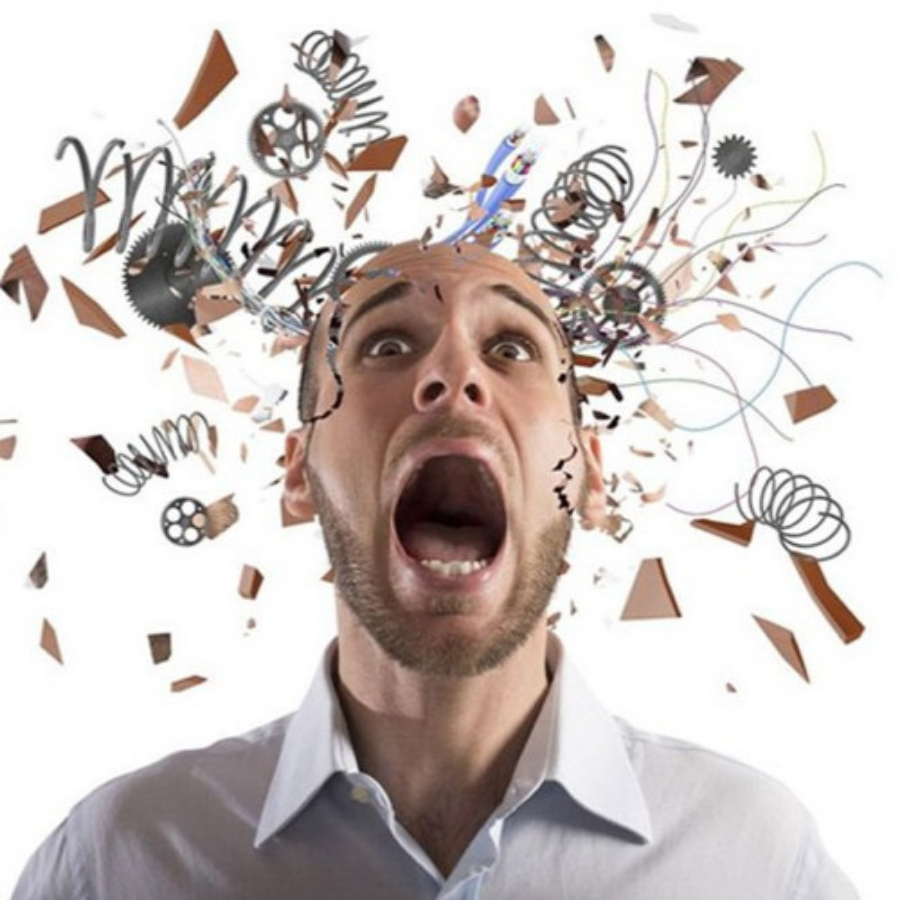
This, right here, is catastrophic thinking — a sneaky mental habit that blows small issues wildly out of proportion. And while it might seem harmless (“I’m just a bit dramatic!”), it’s actually one of the most damaging patterns for our mental health.
But here’s the good news: it’s also one of the easiest to shift.
What Is Catastrophic Thinking?
Catastrophic thinking is when our mind leaps from a minor setback to a major crisis. We turn “a delay” into “a total failure,” or “a disagreement” into “they hate me.”
It’s not just about being negative — it’s about perspective. We zoom in so tightly on one problem that we lose sight of the bigger picture. And because the brain responds to what we imagine just as powerfully as to what’s real, our body follows suit. Cue a spike in stress hormones, tension, racing thoughts — the full fight-or-flight response.
Suddenly, we’re not just dealing with burnt toast. We’re in full-blown survival mode over a piece of bread.
Why It Matters
When we catastrophise regularly, our system becomes flooded with stress. Our nervous system never gets a break. It can feel like we’re constantly under threat — even when we’re technically “fine.”
Over time, this habit chips away at our resilience, increases anxiety, affects sleep, and keeps us locked in a cycle of worry. This can then start to create physical symptoms because our body is trying to alert us to the stressor. These can include insomnia, headaches, stomach aches, nausea, teeth grinding, increased heart rate, feeling fate, panic attacks…. the list is long!
It becomes harder to distinguish between a genuine problem and a passing inconvenience.
The Fix? It Starts With Language
The first and most powerful way to challenge catastrophic thinking is simple: tune into your language.
We shape our experience with the words we use. So it’s worth asking:
- Are you really starving… or are you just a bit hungry?
- Was the day truly horrendous, or did you have a bad 10 minutes that you replayed on loop?
- Did everything go wrong, or did a couple of things just not go to plan?
Every time you exaggerate with language, your brain responds accordingly. It ramps up your emotional and physiological reaction. But when you tone down the language, you tone down the response.
Try this tiny tweak: Instead of saying, “This is a nightmare,” say, “This isn’t ideal but I can cope. It is what it is.”
It might feel silly at first, but it works. Because your nervous system is listening.
A New Perspective
Catastrophic thinking isn’t something that is ingrained. It’s just a habit – usually one that is learned/copied. And habits can be changed— especially with awareness and perseverance.
Start with noticing. Then name it: Ah, I’m catastrophising. Then reframe it and swap it for something more helpful.
When you learn to shift your language, you shift your mindset. Try using language that is more in perspective with the reality of the situation and tone down the dramatic language by really meaning what you say. Because when your mindset changes, everything else follows — from your stress levels and physical symptoms, to your confidence and how calmly you handle life’s curveballs.
Need support breaking the cycle of anxious thinking?
I help people retrain their mind and body so they don’t have to live at the mercy of spirals and stress responses. If you’re ready for practical tools that actually help, get in touch info@anxietyspecialist.org or check out my social media www.facebook.com/anxietyspecialistuk